You shouldn't need a tech degree to run an online store
A solo founder with a great product and zero interest in becoming a Shopify expert. We rebuilt the store, cleaned up checkout, and set up the analytics and Klaviyo automations that bring shoppers back.
Here's a sentence nobody wants to hear when they just want to sell their product: "Have you configured your server-side events and segmented your browse abandonment flow?"
Exactly.
That's the world the founder of SoloMahj was dropped into.
A great product, a one-person team
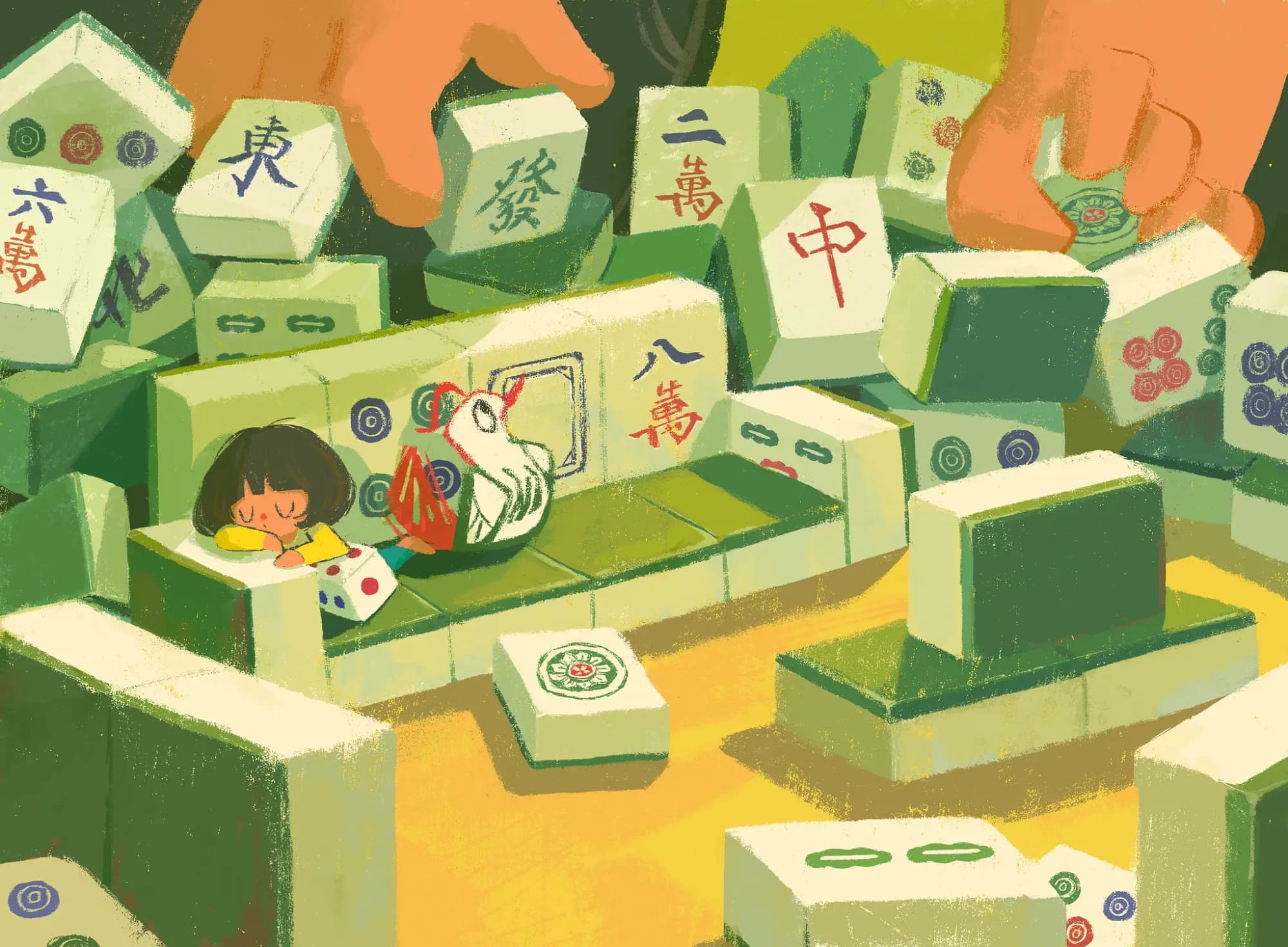
She teaches mahjong in Dallas. She saw how hard the game is for new players to learn, so she designed something about it: screen-free practice boards that let you learn and play on your own. People love them.
She is also, by design, a team of one.
So every hour spent fighting a Shopify theme, deciphering an analytics dashboard, or figuring out what Klaviyo even is, was an hour not spent on the boards, the classes, or the community that buys them.
The store wasn't broken. It just wasn't working for her. It was working her.

What was actually going wrong?
Nothing dramatic. That's what makes this kind of problem sneaky.
- Products were harder to find than they needed to be.
- The path from "I want this" to "I bought this" had more steps than it should.
- There was no clear picture of where shoppers came from, or why they left.
- And anyone who put a board in their cart and walked away was simply gone.
For a small brand, every one of those abandoned carts is a sale that someone already wanted to make. That's not a marketing problem. That's money left on the counter.
What we did about it
We rebuilt the store around the shopper
We revamped the existing site into the store SoloMahj runs today: clearer navigation by product type, product pages that explain each board and who it's for, and a layout that works just as well on a phone. Which matters, because a lot of first visits come from friends, classes, and social posts. On phones.
We cleaned up Shopify itself
Themes and apps pile up. We cleared out the clutter so pages load quickly and the store is easier to run day to day. Then we shortened the path to checkout, including faster options like Shop Pay.
We turned the lights on
We set up Google Analytics alongside Shopify's own tracking, built around the moments that actually matter for a store: viewing a product, adding to cart, starting checkout, buying. Now it's obvious where people drop off, and whether a change helped.
We set up Klaviyo properly
Plenty of stores install Klaviyo. Far fewer connect it properly. The magic only happens when Klaviyo knows what a shopper actually did: what they looked at, what they added, whether they finished.
With that in place, an abandoned-cart email shows the exact board someone left behind, and it stops the second they buy. Signup forms grow the list. Reviews add proof on the product pages. It all runs on its own.
The part she never has to think about
This is the bit we're proudest of. Not a feature. An absence.
She doesn't need to know what a server-side event is. She doesn't need to tune a flow. The store finds people, follows up with the ones who wandered off, and tells her plainly what's working.
She gets to run a mahjong business, not a software company.
That was the brief. That's what she got.
So, what are you stuck on?
Every project in this series started the same way: a short brief and an honest conversation about what it would take.
That's still how it works. Tell us about your project and you'll hear back within one business day. Or see how we approach Shopify and e-commerce and growing a site after launch.